


PCOS (Polycystic Ovary Syndrome)
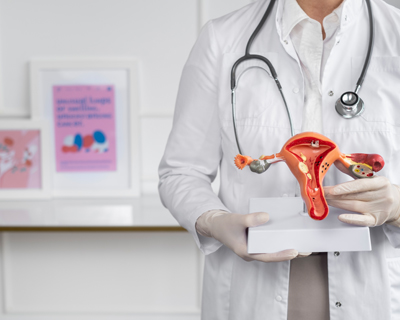
Polycystic Ovary Syndrome (PCOS) is a hormonal disorder affecting women of reproductive age. It occurs when the ovaries produce higher-than-normal amounts of male hormones, leading to irregular menstrual cycles, cysts in the ovaries, and potential fertility issues.
Causes of PCOS
- Excess insulin or insulin resistance
- Low-grade inflammation
- Genetic factors (family history of PCOS)
- Excess androgen production
Symptoms of PCOS
- Irregular or absent periods
- Excess facial and body hair (hirsutism)
- Acne and oily skin
- Weight gain or difficulty losing weight
- Thinning hair or hair loss on the scalp
- Darkening of skin patches, especially on the neck and underarms
- Infertility or difficulty conceiving
Diagnosis
PCOS is diagnosed through a combination of medical history, physical examination, blood tests to check hormone levels, and ultrasound imaging to look for ovarian cysts.
Treatment Options
- Lifestyle changes: weight loss, healthy diet, and regular exercise
- Medications for regulating menstrual cycles
- Medications to manage insulin resistance
- Fertility treatments for women trying to conceive
- Hair removal treatments and acne management
Prevention & Lifestyle Tips
- Maintain a balanced diet rich in fruits, vegetables, and whole grains
- Exercise regularly to improve insulin sensitivity
- Maintain a healthy weight
- Monitor menstrual cycles and consult a doctor for irregularities
- Manage stress through yoga, meditation, or other relaxation techniques
When to See a Doctor
If you experience irregular periods, excessive hair growth, sudden weight gain, or difficulty conceiving, it is recommended to consult a gynecologist or endocrinologist for proper evaluation and treatment.